The Last Generation
Our obligation to listen and learn from those who have gone before.

My generation was used to being told stories about the wartime experiences of our parents, but when I was about 10 years old, I was at a family event, when I met my aunt’s father. He was a veteran Royal Flying Corps Pilot from World War One. Whilst I found his stories fascinating, I was not aware of the significance of the meeting until years later.
Unfortunately, I don’t remember the full details of the conversation, but he explained how they were tasked with spotting enemy positions and engaging with enemy aircraft if they met them. This defensive role became more offensive as time went by. This information is now well known, but he also talked about the unwritten codes and respect that existed between the pilots on both sides.
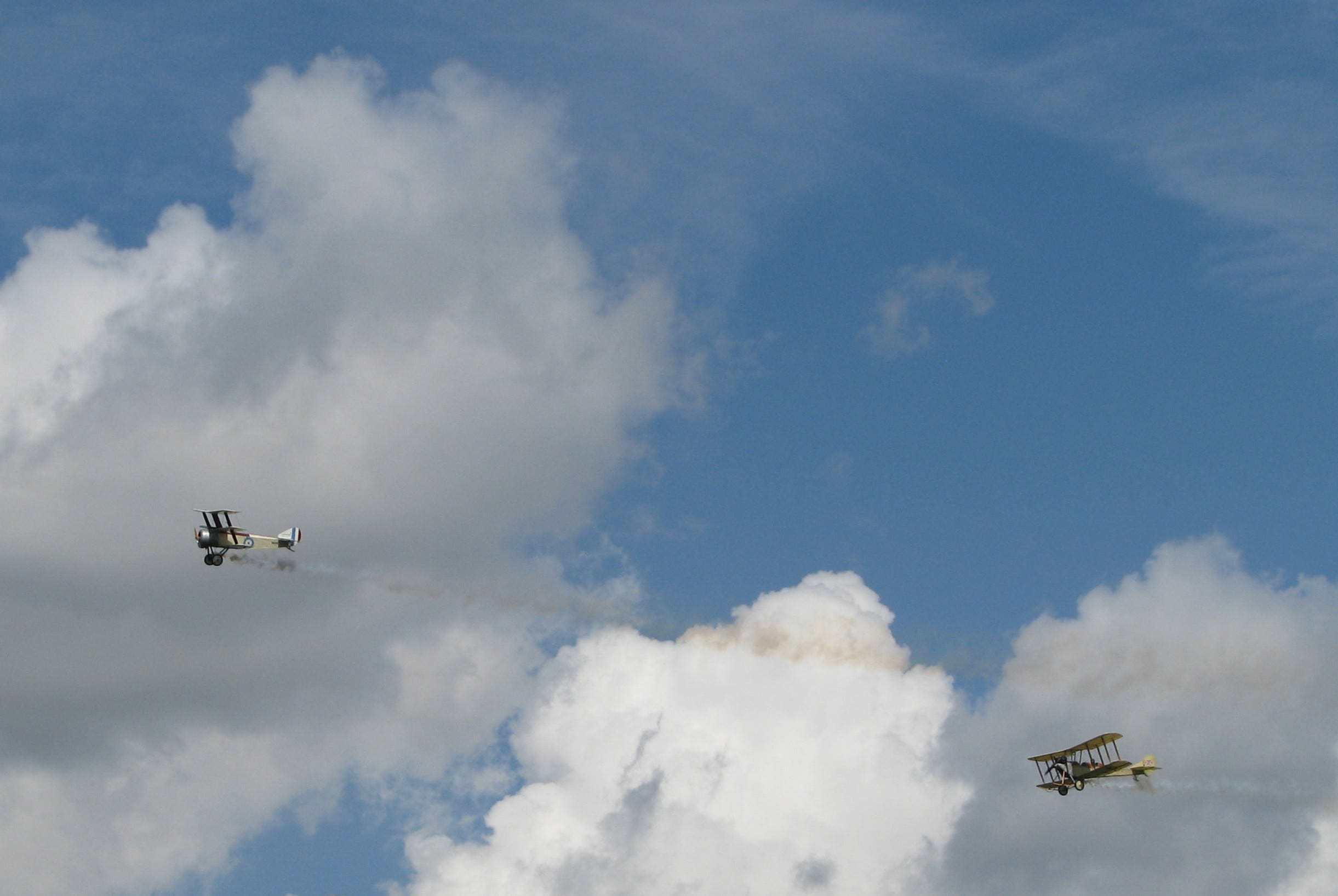
We have to remember that the first ever manned flight only took place 11 years before the beginning of WW1, so these men were all pioneering pilots. There were also no parachutes, so an engine failure or being hit by enemy fire was not likely to end well. The veteran explained that both sides would aim to put aircraft out of action rather than going for the kill. I seem to remember he went on to give some examples, but sadly I don’t remember the details other than him saying they would never shoot at an aircraft already hit and out of the battle, or attack a crashed aircraft on the ground with a pilot nearby. This was well before the 1977 Article 42 supplement to the Geneva convention 1948.[1] Incidentally I have discovered further evidence confirming his comments in the 1987 commentary to Article 42 which states:
“Military aviation really began to develop during the First World War. The novelty of this weapon, the spirit of adventure of its devotees, the prestige of its missions, and the sharing of risks created a sort of fraternity between the airmen of the two camps at that time, which was characterized by a spirit of camaraderie and by practices which are suggestive of chivalry. The adversary who had been brought down in flames was entitled, not to bullets, but to a salute as he went down, to wishes for his recovery if he were wounded, and flowers if he were dead.”
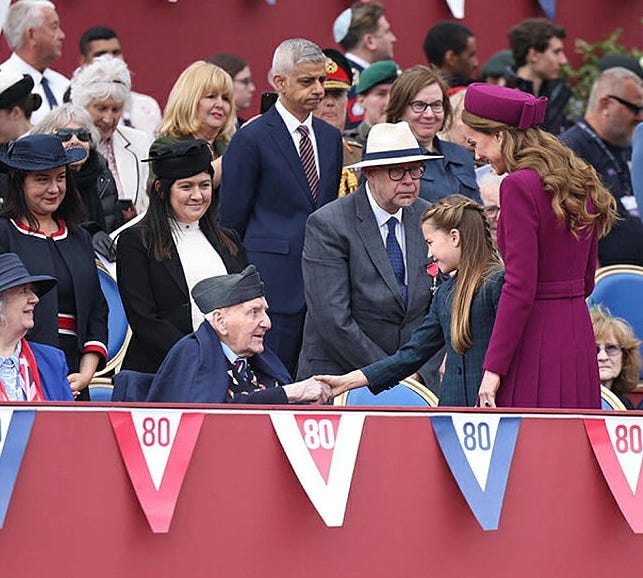
Jumping forward some 60 years I was watching the VE day 80 commemorations in London and was interested to see the royal grandchildren seated with their parents and listening to their parents in conversation with veterans. It occurred to me that these young people represented the last generation that will be able to witness the testimony of WW2 veterans, and I was very pleased to see the initiatives in place to ensure that young children get to experience veteran’s stories of what it was like and to understand the reasons why those stories are so important.
I was also reminded of my ww1 veteran experience at Chalke History Festival when I heard 104-year-old WW2 veteran Mosquito pilot Colin Bell making an eloquent and powerful case for learning from the past. He made the case far better than I could here, and you can view it below. This is further evidence of why it is so important to listen to the words of the people who personally experienced events.
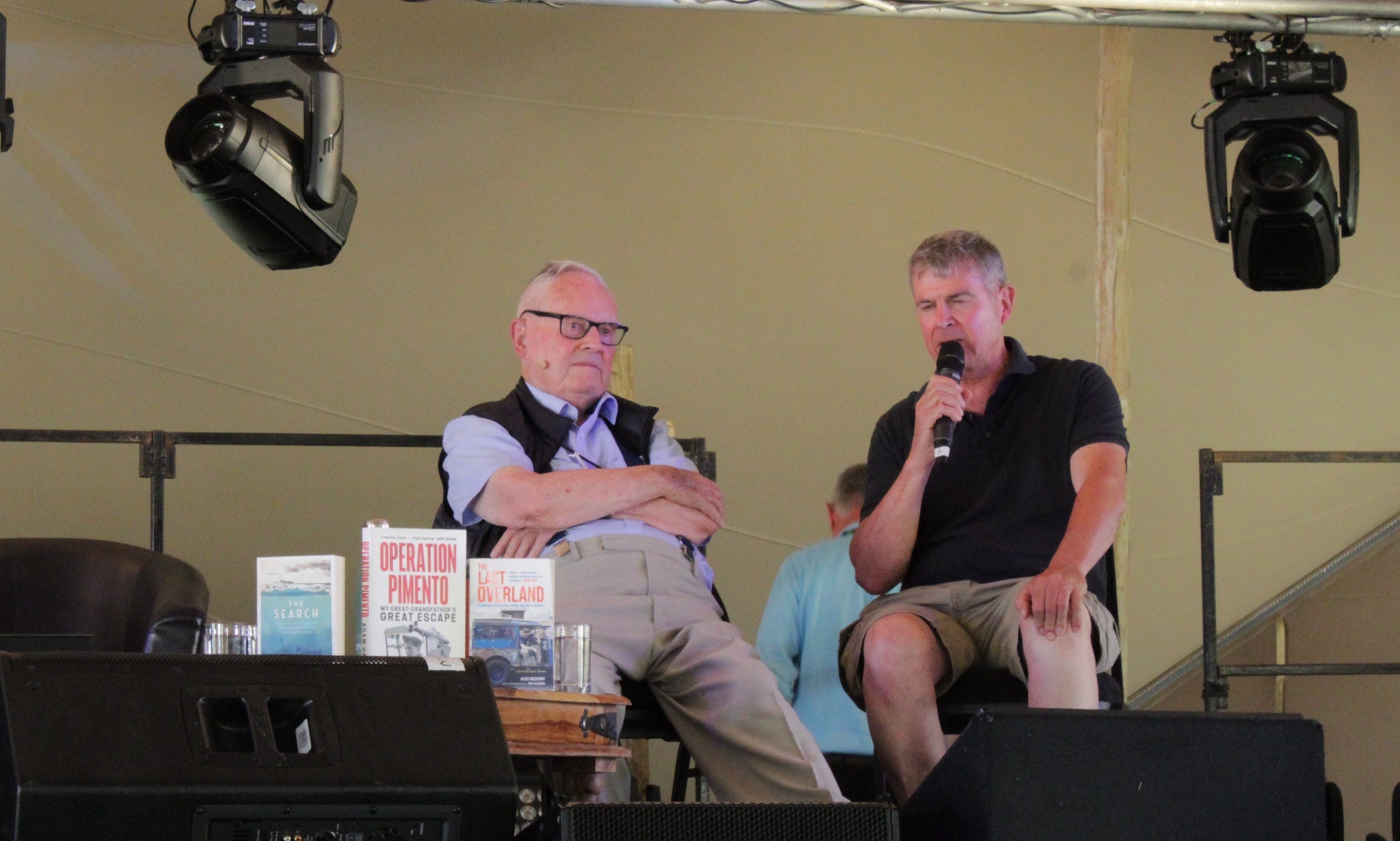
View the full video on YouTube
I spend a lot of time researching people and places associated with the preparation for D-Day, but often there are gaps. Using the development of Mulberry Harbours as an example; the project was so vast there are invariably parts of the evidential jigsaw that overlap or don’t quite make sense. It has been wonderful listening to the oral histories and TV interviews of some of the principal engineers involved and getting a feel for some of the backstories that bring the documents alive.
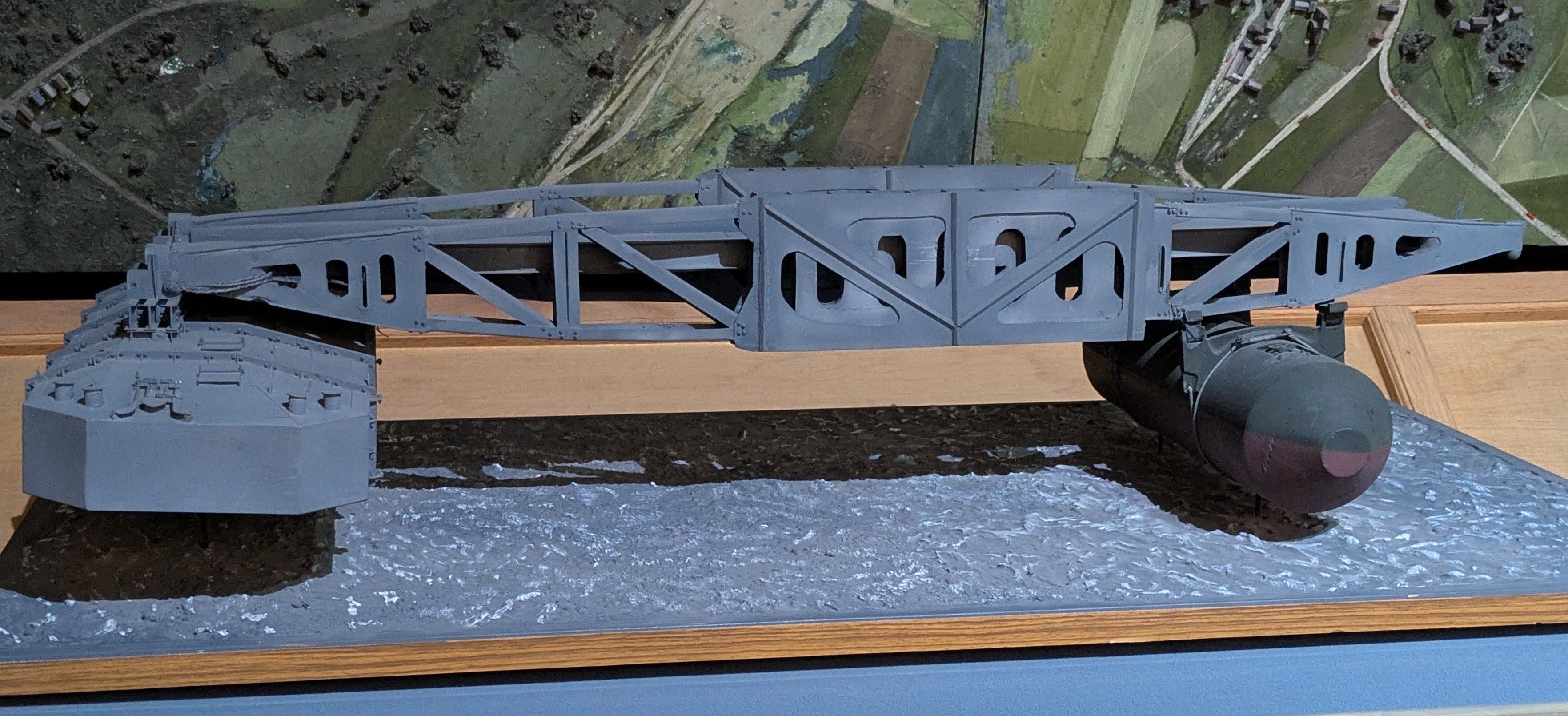
I love the fact that the scale model of Whale Bridge sections was made in a hurry by Major Allan Beckett, the inventor of the whale bridge system, and the paint was not fully dry when Col Everall pulled it out of the box to present the concept to Prime Minister Churchill. I also learned that Churchill was not good with technical drawings, and that one of the draftsmen, Terrence Cuneo, later a famous artist was pressed into action to draw sketches of various elements of the Harbour Project.
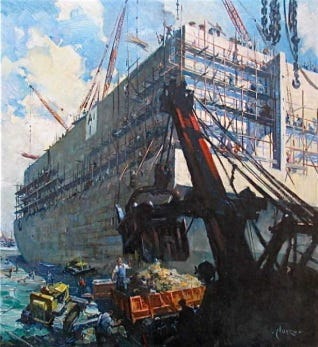
This first-hand testimony has been essential to fully understand the enormous level of work being undertaken behind the scenes and helps to fill the gap between the written communication. It also uncovers little details such as the fact of Churchill’s fondness for visual representations, and I am also picking up that the key players, who had been in private practice as Engineers before the war, were treating Churchill as their client and were good at understanding the best way to sell their ideas. We also believe that these are details from the past that can better inform the innovators of tomorrow.
Our deep dive into the story of Mulberry Harbours is uncovering some amazing detail which until now has been hidden. There is still much more to uncover such as the stories of the people who constructed the giant Concrete Phoenix Caissons and the various construction sites themselves. Please contribute and collaborate at Facebook: Discovering Britain’s D-Day Heritage or by emailing us at: discover@britainsddayheritage.com
[1] Protects ejected pilots and states those discovered in enemy territory should be given the opportunity to surrender.